Pokazywanie postów oznaczonych etykietą caps. Pokaż wszystkie posty

piątek, 27 marca 2026

What wool did Vikings really use? Material Behind Authentic Clothing

 What wool did VIkings Use for Clothing: socks, hats, mittens?

Introduction

When discussing Viking clothing, one question appears surprisingly often: what kind of wool did Vikings actually use?
Understanding the materials is just as important as understanding the techniques. Even the most accurate method means little if the material is wrong.

Wool as the foundation of Viking clothing

Wool was the primary textile material in Viking Age Scandinavia.
It was:
  • widely available
  • easy to process
  • highly functional in cold climates
Unlike modern synthetic fibers, wool offered natural insulation and moisture control — crucial for survival.

Not all wool is the same

Modern wool products vary greatly in quality and processing.
Historically, wool was:
  • less chemically treated
  • often spun by hand
  • used in a more natural state
This resulted in fabrics that were:
  • more breathable
  • slightly rougher, but more durable
  • better suited for outdoor use

Why wool works even when wet

One of the most important properties of wool is its ability to retain warmth even when damp.
This made it ideal for:
  • socks
  • mittens
  • hats 
  • base layers
Combined with nalbinding, wool created extremely effective protection against cold.

The connection between wool and naalbinding

Nalbinding works best with wool because:
  • short fibers hold together well in loops
  • structure becomes dense and insulating
  • finished items are durable and resistant
Using synthetic yarns removes many of these advantages and breaks historical accuracy.
Choosing authentic materials today
For modern reenactors or enthusiasts, choosing the right wool is essential.
Look for:
  • 100% natural wool
  • minimal chemical processing
  • traditional crafting techniques
This combination gives results closest to historical originals.

Where to see traditional wool craftsmanship

If you want to explore how traditional wool and nalbinding come together in practice, you can find examples of handmade items here:

Conclusion

Wool was not just a material for Vikings — it was a key part of their survival strategy.
Understanding its properties helps us better appreciate why techniques like naalbinding were so effective and widely used.


How Vikings Kept Their Feet Warm – The Truth About Nalbinding Socks

 How Vikings Kept Their Feet Warm in Harsh Conditions


Introduction

When we imagine Viking clothing, we often think about cloaks, tunics, and leather boots. But one of the most important elements of everyday survival was something much simpler: socks.
In harsh Scandinavian climates, keeping feet warm and dry was essential. The solution Vikings used was not knitting — it was a much older and more durable technique.

The problem: cold, wet conditions

Vikings lived in environments where:
  • temperatures were low for most of the year
  • moisture was constant
  • long journeys required reliable clothing
Modern socks, especially cotton or synthetic ones, perform poorly in such conditions. They absorb water, lose insulation, and become uncomfortable very quickly.
This raises an important question: what did Vikings actually use?

The historical answer: nalbinding

Before knitting became widespread in Europe, people used a technique called nalbinding (also known as needle binding).
Nalbinding creates a dense, looped fabric using short lengths of yarn and a needle. Unlike knitting, the structure does not unravel and is much more resistant to wear.
Archaeological finds confirm that this method was used to produce warm garments, including socks.

Why nalbinding worked so well

Nalbinding socks were perfectly suited for Viking life because they:
  • retained warmth even when wet
  • were highly durable
  • could be repaired easily
  • were made from natural wool
Wool itself has natural insulating properties and can regulate temperature effectively, making it ideal for cold and damp climates.

Not all “Viking socks” are authentic

Today, many products are marketed as “Viking socks”, but they are often just modern knitted items made to look historical.
For casual use, this may be enough. But for anyone interested in authenticity — especially reenactors — the difference is significant.
Nalbinding is not just a stylistic choice. It is a fundamentally different technique with historical roots.

Nalbinding today

Although nalbinding is no longer a common everyday craft, it has been preserved by artisans and historical enthusiasts.
Today, it is still possible to find handmade nalbinding items created using traditional techniques and natural materials.
For those interested in authentic Viking clothing, it is worth exploring original craftsmanship rather than modern imitations.

Learn more about authentic nalbinding

If you want to see how nalbinding looks in practice or explore handmade items created using traditional methods, you can find more information here:

Conclusion

Nalbinding socks were not just a piece of clothing — they were a practical solution to survival in demanding conditions.
Understanding how they were made and why they were used gives us a deeper appreciation of Viking craftsmanship and everyday life.


wtorek, 12 grudnia 2017

Naalbindingowa czapka z X-XIw. Hat of Saint Simeon

Hat of Saint Simeon

czapka św. Symeona z Trewiru.


o tą czapkę pokuszę się już niebawem.
znajduje się w  Trewirze.
tu link do trip advisora gdzie można ją zobaczyć

https://www.tripadvisor.com/LocationPhotoDirectLink-g187394-d192309-i230229856-St_Peter_s_Cathedral_Dom-Trier_Rhineland_Palatinate.html

CHECK WHAT`S NEW IN MY NAALBINDING SHOP:  www.naalbinding.eu 


czwartek, 13 października 2016

vegetal dyed naalbinding caps

I've  made two naalbining  caps.

Both are made of vegetal dyed wool thread. The violet one is dyed with black currant, and colorfull one is dyed with madder, black currant, tansy, and mix of these colours. Faberg stitch.


naalbinding cap vegetal dyed

naalbinding cap vegetal dyed

naalbinding cap vegetal dyed

CHECK WHAT`S NEW IN MY NAALBINDING SHOP: https://www.etsy.com/pl/shop/NAALBINDING

środa, 9 marca 2016

Czerwona czapka z 100% wełny/ Red cap- 100% wool


Taka powstała w międzyczasie czapka. Wełna to baby merino- super mięciutka.
pasuje na obwód głowy ok 56-64 cm (pewno ciut więcej nawet bo ścieg elastyczny)


niedziela, 8 listopada 2015

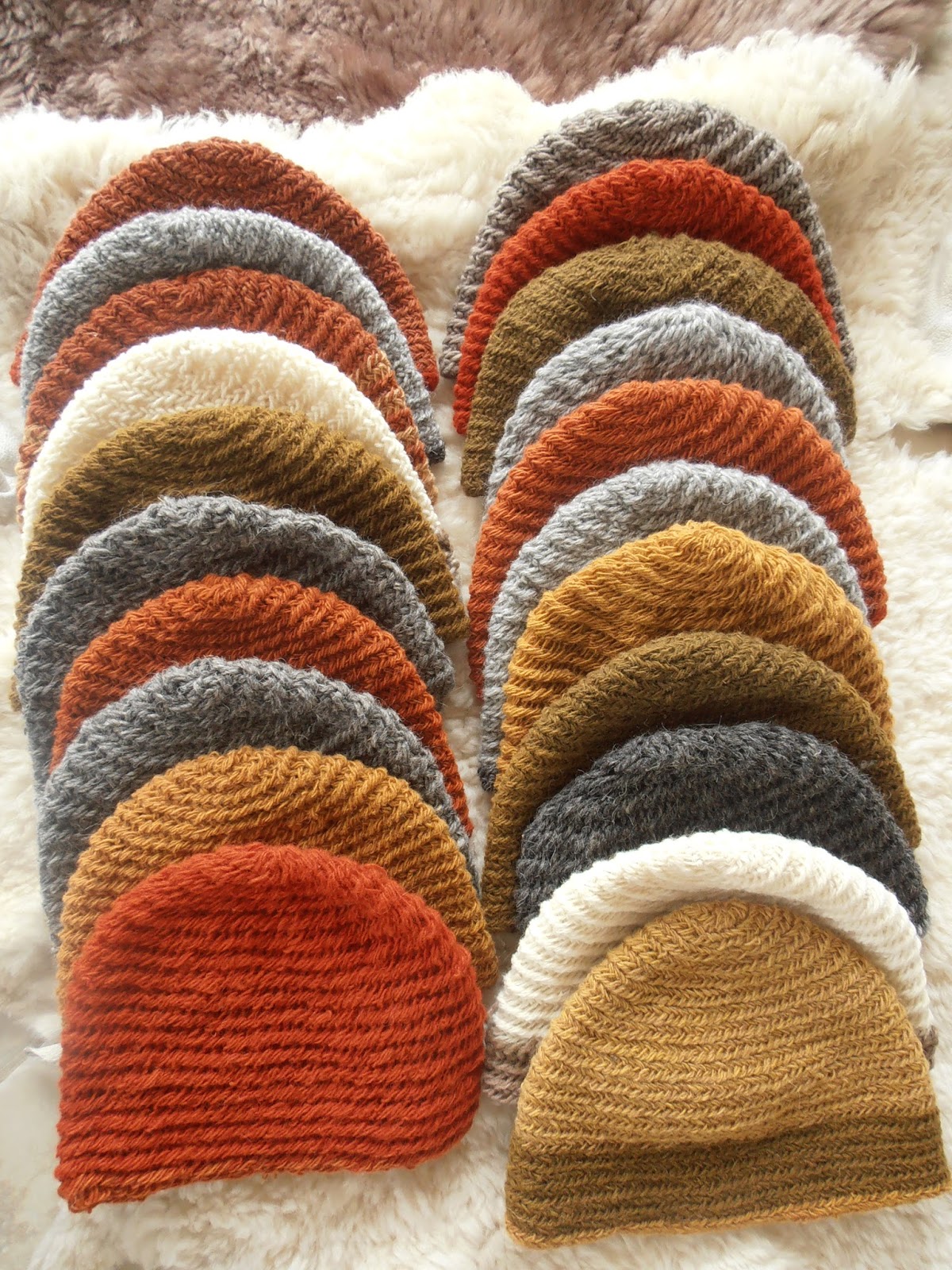
naalbindingowe czapy:)


Kilka czapeczek:)

prawie gotowe piękne czapusie świąteczne
jeszcze 7 do zrobienia i będzie komplet.


niedziela, 22 marca 2015

Czapka z roślinnie barwionej wełny/ vegetal dyed naalbinding cap

A tu powstała kolejna czapa
Wełna od Incarny, cudnie ciemny zielony kolor. I wstawki z jasnego oraz żółtego też roślinnie barwionej przędzy. Ciemnej wystarczyło dosłownie na styk, bo to końcówka była, ale wkrótce zamierzam zrobić coś z jasnej, bo jest też cudna.
ścieg oslo f2


środa, 24 września 2014

3 czapki /3 caps

1.Pierwsza czapka
Fåberg stitch, wełna owcza oczywiście. elastyczny ścieg więc dopasuje się do głowy.
cieplutka
kolor beżowy co jakiś czas pojawia się jasnobrązowy kłaczek. Wełna zdecydowanie wygląda na ręcznie przędzioną i dublowaną- jednak dostałam ją więc głową nie ręczę.


2. Czapka nr 2.

Oslo stitch, wełna owcza oczywiście. elastyczny ścieg więc dopasuje się do głowy.
kolor krem/ naturalny. 


3. Trzecia czapka

Fåberg stitch, wełna owcza. elastyczny ścieg więc dopasuje się do głowy.
cieplutka
kolor.. hmm szaro-beżowy. Wełna przędziona i nie dublowana, gruba, więc czapka jest naprawdę ciepła.


wtorek, 8 lipca 2014

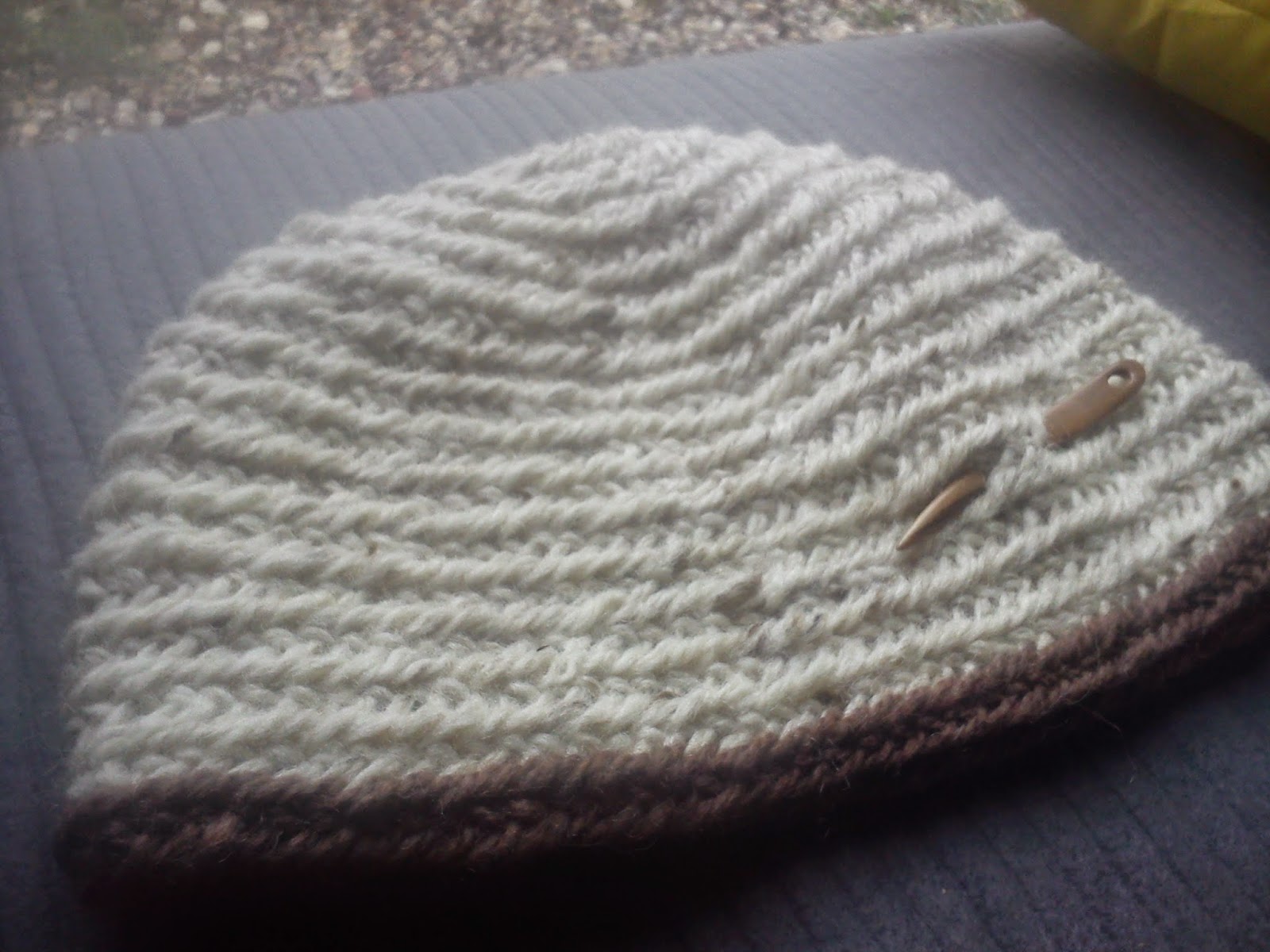
Naalbinding cap- undyed wool spun on a spinning wheel! How to make a naalbinding cap.

Im doing the cap. Naalbinding - Mammen stitch, the circuit about 55 cm, with a tolerance of a few cm up and down. Made of  undyed wool  spun on a spinning wheel! - I do not think I'll be more to advertise:) Sometimes the thread a little thicker, sometimes thin, which is exactly as it should be

Robi się czapka. Naalbinding- ścieg Mammen, obwód ok 55 cm, z tolerancją kilka cm w górę i w dół. Z przędzionej na kołowrotku niebarwionej wełny!! - chyba nie będę więcej reklamować:) Czasem nitka trochę grubsza, czasem cienka, czyli dokładnie tak jak powinno być:)


and a photo of an earlier stage of the work- washing the wool.
i zdjęcie przedstawiające wcześniejszy etap prac- piorącą się wełnę. 


wtorek, 25 marca 2014

czapka, czapusia


a tu się zaczyna czapka. jasna szara/ here is the beginning of new cap. light gray.


i gotowa czapka
100% wełna
obwód glowy/ head- about 55-60cm


poniedziałek, 11 listopada 2013

najcieplejsza czapka na świecie/ the warmest naalbinding cap ever


A zrobiłam sobie czapkę. Z owczej wełny, na dwie igły. Jest to chyba najgrubsza czapka, jaką robiłam:) 
Z pewnością mrozy nie będą  w niej straszne.


Well, I''ve made cap for myself:).Wool cap, made with two needles. It is the thickest cap I've ever made, I suppose.
I'm sure that any frost will be scary for me. 

CHECK WHAT`S NEW IN MY NAALBINDING SHOP: https://www.etsy.com/pl/shop/NAALBINDING